
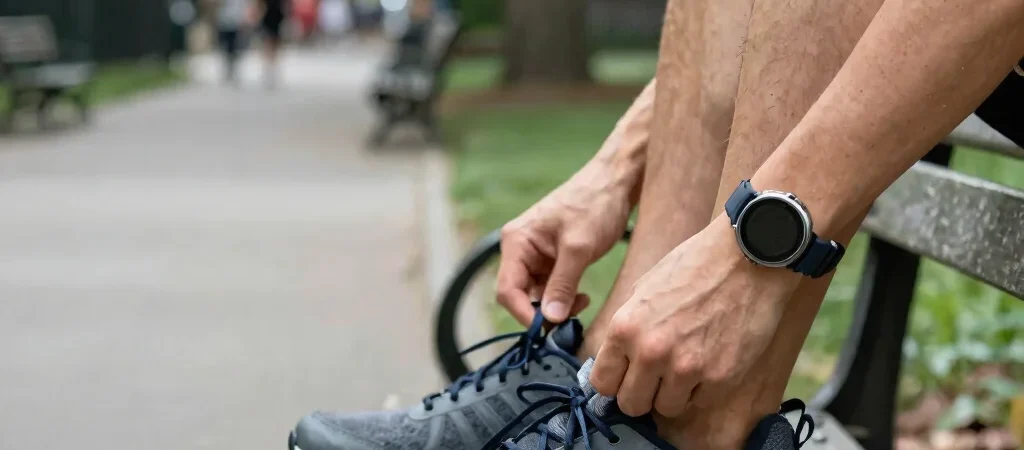
A watch buzzing during a walk can feel like a useful nudge—or one more thing demanding attention. Fitness trackers are most helpful when they answer a question you care about, such as how often you get outside or whether your weekly movement is becoming more regular. If you don’t have that question yet, you may not need a device.
Pick one useful signal
For someone building a walking habit, step counts or recorded walks may offer a simple way to notice patterns across the week. A person who already follows a strength plan may care more about a comfortable watch, easy timers, or how quickly it can be silenced between sets. Choose a feature that supports an action you already want to take.
Treat device measurements as estimates rather than exact readings of your body. A tracker can help you compare your own activity over time, but its numbers should not be the sole measure of progress or wellbeing. If tracking makes you anxious or pushes you to ignore how you feel, it is reasonable to turn features off or stop using the device.
Compare the everyday trade-offs
Before comparing models, check the basics: battery life as described by the manufacturer, phone compatibility, comfort, water resistance details, and whether the features you want require an app or subscription. A device with a long feature list may be less useful than one you find comfortable enough to wear. Also review what personal data the companion app collects and the settings available to manage it.
If you are shopping, compare current specifications and return policies rather than relying on a single headline feature. Fitness is Health may earn a commission if you use an affiliate link in this article; our recommendation is to choose based on the functions you will actually use. A basic timer or a note in your phone may be enough for your needs.
Keep the habit in charge
Try one week of tracking a simple behavior, such as taking a walk after lunch, and notice whether the data helps you follow through. If it does, keep the signal that supports the habit and ignore the rest. The tracker is a tool; the routine should still make sense without it.


